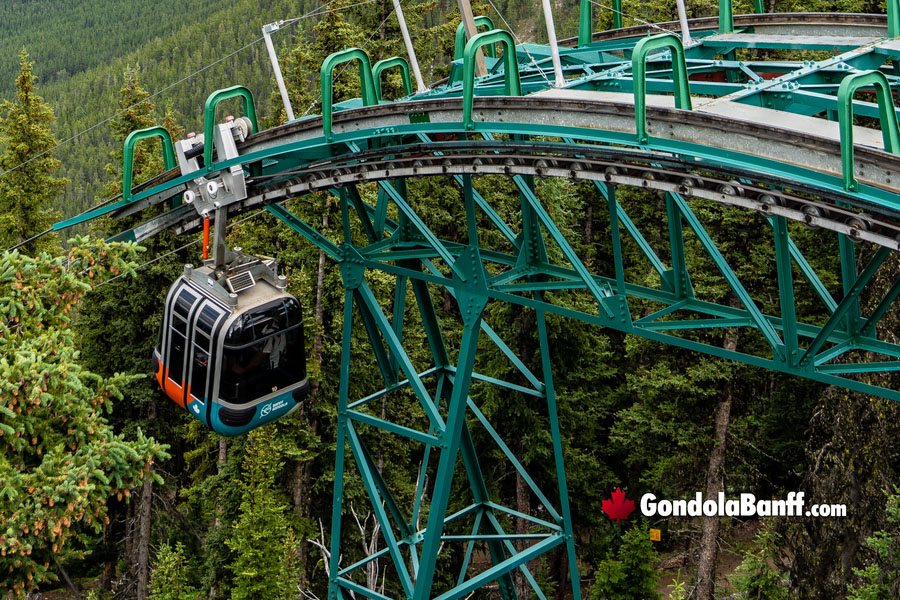
Book Banff National Park Adventures and Attractions. Originally set aside to preserve sulphur hot springs for public use, Banff National Park's towering peaks and beautiful meadows make it among Canada's most incredible holiday areas.
Wildlife Near the Banff Gondola – Sulphur Mountain
The Banff Gondola, located on Sulphur Mountain in Banff National Park, offers visitors an opportunity to experience the wildlife of the Canadian Rockies.
Wildlife Near the Banff Gondola – Sulphur Mountain
The Banff Gondola, located on Sulphur Mountain in Banff National Park, offers visitors an opportunity to experience the wildlife of the Canadian Rockies. The mountain's forested slopes, rocky ridges, subalpine habitats, and surrounding Bow Valley support a variety of mammals and birds. Wildlife sightings can occur during the gondola ride, around the upper terminal, along the Sulphur Mountain Boardwalk, and near the lower gondola station.
Sulphur Mountain rises above the town of Banff, creating a transition from the wildlife-rich montane forests of the Bow Valley to the cooler, more exposed environments near the summit. Different species inhabit these elevations depending on the season, available food, weather conditions, and human activity.
Although wildlife encounters are never guaranteed, visitors may see bighorn sheep, elk, deer, squirrels, chipmunks, marmots, ravens, and other mountain birds. Black bears, grizzly bears, coyotes, wolves, and cougars also inhabit the broader Banff landscape, although sightings of these animals around the busy gondola facilities are considerably less common.
Book the Banff Gondola
Wildlife Species Near the Banff Gondola
Bighorn Sheep
Bighorn sheep are among the most recognizable mountain animals in Banff National Park. These powerful, sure-footed mammals are adapted to steep, rocky terrain, where their specialized hooves provide excellent traction.
Visitors may occasionally encounter bighorn sheep on the slopes of Sulphur Mountain or along nearby mountain roads. Adult males, known as rams, are distinguished by their large, curved horns, while females, called ewes, have smaller, more slender horns.
During autumn, particularly November and December, rams compete for breeding opportunities in the annual rut. Their dramatic head-clashing behaviour is one of the Canadian Rockies' most remarkable wildlife spectacles. However, the presence of bighorn sheep near the gondola is unpredictable, and visitors should never approach them.
Elk
Elk are among the largest mammals commonly observed in the Banff area. These impressive animals inhabit the Bow Valley's open meadows, forest edges, and grassy areas, particularly at lower elevations.
Although elk are more frequently encountered near the Banff townsite and valley bottom than at the Sulphur Mountain summit, visitors travelling to the gondola may occasionally see them near the lower mountain slopes.
During September and October, bull elk participate in the annual rut, producing distinctive bugling calls to attract females and challenge competing males. Their enormous antlers and powerful bodies make them particularly impressive, but also potentially dangerous.
In spring, female elk give birth to calves, often remaining protective of their young. Visitors should maintain a substantial distance throughout the year.
Book the Banff Gondola
Mule Deer and White-tailed Deer
Deer inhabit the forested landscapes surrounding Sulphur Mountain and the Banff townsite. Mule deer are particularly recognizable by their large ears, black-tipped tails, and bounding movements.
These animals browse on shrubs, leaves, grasses, and other vegetation. They are generally most active during early morning and evening, when human activity is reduced.
White-tailed deer also occur in the broader Bow Valley, although their distribution differs from that of mule deer. Visitors are more likely to encounter deer along lower forest edges and roads than near the exposed summit.
Grizzly Bears
Grizzly bears are an important part of the Canadian Rockies ecosystem. These large mammals inhabit extensive territories that may include forests, alpine meadows, avalanche slopes, and remote mountain valleys.
Grizzlies are distinguished by their prominent shoulder hump, relatively short rounded ears, and powerful digging claws.
Although grizzly bears occur in Banff National Park, encounters near the heavily visited Banff Gondola summit are rare. They are more likely to use quieter habitats away from concentrated human activity.
During spring, grizzlies may feed on roots, emerging vegetation, and winter-killed animals. Summer brings a wider selection of plants and insects, while autumn feeding helps build the fat reserves necessary for winter denning.
Black Bears
Black bears inhabit the forests surrounding Banff and may occasionally travel through the lower slopes of Sulphur Mountain while searching for natural food sources.
Despite their name, black bears can have black, brown, cinnamon, or occasionally blond coats. Their diet includes berries, grasses, roots, insects, and other available foods.
Spring through autumn is the main period when bears are active. In spring, they emerge from winter dens and begin feeding on newly growing vegetation. During late summer and autumn, bears increase their food intake in preparation for winter.
Black bear sightings around the Banff Gondola are uncommon, particularly in busy visitor areas. Bears should always be observed from a safe distance.
Hoary Marmots
Hoary marmots are large, ground-dwelling rodents that inhabit rocky alpine and subalpine environments in the Canadian Rockies.
Their thick fur, stocky bodies, and distinctive whistling alarm calls make them fascinating animals to observe. Marmots often spend time sunning themselves on rocks, feeding on vegetation, or watching for predators.
Although suitable rocky habitats exist in the mountains surrounding Banff, marmots are not a consistently observed species at the Banff Gondola summit. Sightings are more likely in suitable, quieter alpine areas elsewhere in the park.
Marmots hibernate for much of the year and are generally active during the warmer months.
Columbian Ground Squirrels
Columbian ground squirrels inhabit grassy openings, meadows, and other suitable areas in the Canadian Rockies.
These small mammals are recognizable by their brownish-grey coats, compact bodies, and habit of standing upright to watch their surroundings.
Ground squirrels spend much of the warmer season feeding on grasses, seeds, and other vegetation. They also construct underground burrow systems that provide shelter from predators and weather.
Visitors may encounter ground squirrels in suitable open habitats at lower elevations around Banff, although they should not expect them at every gondola viewing area.
Red Squirrels
Red squirrels are among the more frequently encountered small mammals in the coniferous forests surrounding Sulphur Mountain.
These energetic animals move quickly between branches, collect spruce and pine cones, and communicate using sharp chattering calls.
Their reddish-brown fur, bushy tails, and territorial behaviour make them easy to recognize. Visitors walking through the forest near the lower gondola station may hear squirrels before seeing them.
Red squirrels remain active throughout the year, including winter, when they rely on stored food supplies.
Least Chipmunks
Least chipmunks are small, striped rodents that inhabit forest edges, rocky areas, and open woodland habitats throughout parts of Banff National Park.
Their distinctive stripes, quick movements, and curious behaviour make them entertaining to watch.
Chipmunks feed on seeds, berries, insects, and other natural foods. During warmer months, they spend considerable time gathering food and exploring their surroundings.
Visitors may occasionally see chipmunks around forested sections of Sulphur Mountain, particularly where natural food and protective cover are available.
Pikas
American pikas are small, rabbit-like mammals that inhabit rocky alpine environments. They have rounded ears, short limbs, and high-pitched calls that can sometimes be heard before the animals are spotted.
Pikas collect grasses and wildflowers during summer, storing vegetation in sheltered rock crevices for winter. Unlike marmots, pikas remain active throughout winter beneath the snow.
Pikas occur in suitable rocky habitats in Banff National Park, but sightings around the Sulphur Mountain Boardwalk are unpredictable.
Mountain Goats
Mountain goats are distinctive white-coated mammals with short black horns, muscular bodies, and exceptional climbing abilities.
They inhabit steep cliffs and rugged mountain terrain, often occupying locations that are difficult for predators to reach.
Mountain goats occur in Banff National Park, but they are not commonly observed around the Banff Gondola. Visitors scanning distant mountain slopes may occasionally have opportunities to observe them.
Birds Near the Banff Gondola
Common Ravens
Common ravens are among the most noticeable birds around the Sulphur Mountain summit. These large, intelligent birds are recognized by their glossy black feathers, wedge-shaped tails, and deep croaking calls.
Ravens frequently soar above mountain ridges, taking advantage of rising air currents. They remain active throughout winter and are well adapted to the challenging conditions of the Canadian Rockies.
Visitors may observe ravens flying near the summit observation decks, above the boardwalk, or across the surrounding mountain valleys.
Clark's Nutcrackers
Clark's nutcrackers are distinctive grey-and-black mountain birds closely associated with coniferous forests and high-elevation habitats.
Their powerful bills allow them to extract and collect pine seeds, which they store in numerous locations for later consumption.
These birds play an important ecological role by dispersing seeds and helping regenerate mountain forests.
Visitors may occasionally see Clark's nutcrackers around Sulphur Mountain's forested upper slopes and rocky areas.
Canada Jays
Canada jays, sometimes called grey jays or whisky jacks, are hardy birds that inhabit the coniferous forests of Banff National Park.
Their soft grey plumage, rounded bodies, and curious behaviour make them recognizable. Canada jays survive cold mountain winters by storing food throughout their territories.
They may be encountered in forested sections of Sulphur Mountain, particularly away from exposed summit areas.
Golden Eagles
Golden eagles are powerful birds of prey that inhabit mountainous landscapes throughout the Canadian Rockies.
Their broad wings, impressive wingspan, and exceptional eyesight allow them to hunt over large territories.
Visitors may occasionally see golden eagles soaring above mountain ridges or circling high over the Bow Valley. Their presence is unpredictable, and binoculars are useful for identifying distant birds.
Hawks and Other Birds of Prey
Several birds of prey inhabit the broader Banff landscape, including red-tailed hawks, sharp-shinned hawks, and other raptors.
These birds hunt small mammals and birds in forests, open slopes, and valley habitats.
The elevated vantage points of Sulphur Mountain provide opportunities to watch for raptors soaring over the surrounding landscape, particularly during favourable weather conditions.
Best Places to See Wildlife Near the Banff Gondola
Lower Gondola Station
The forests surrounding the lower gondola terminal provide habitat for squirrels, chipmunks, deer, and occasionally larger mammals. Wildlife is generally more likely to be active during quieter periods.
Banff Gondola Ride
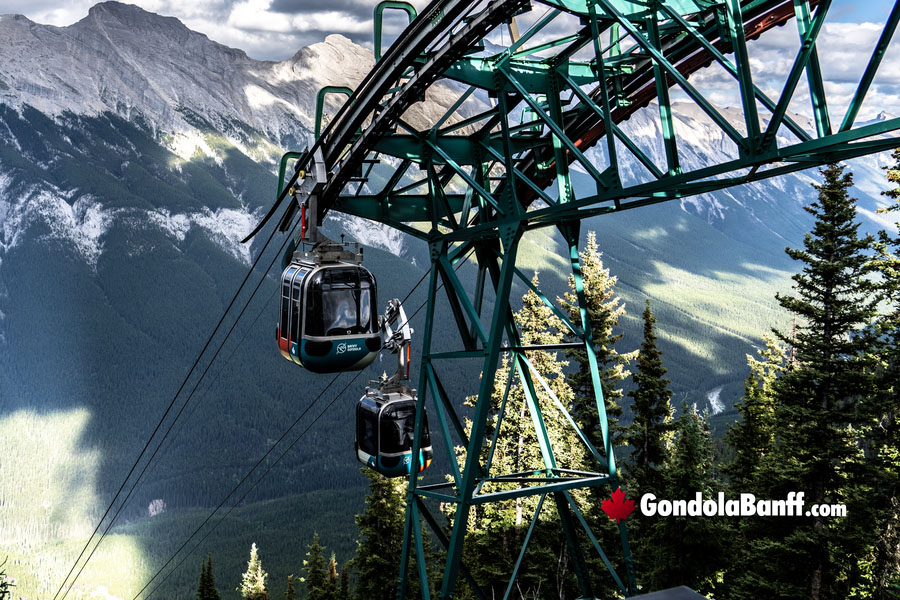
The gondola ascends through forested mountain slopes, providing an elevated perspective of the surrounding habitat. Visitors may occasionally spot wildlife in forest openings, on rocky slopes, or moving through the trees.
Upper Gondola Terminal
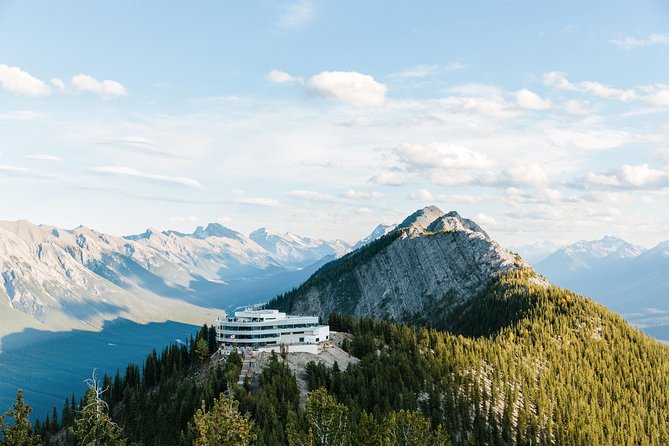
The upper terminal offers panoramic views of mountain ridges and rocky terrain. Ravens and other mountain birds are among the more likely wildlife encounters, while bighorn sheep may occasionally appear on nearby slopes.
Sulphur Mountain Boardwalk
The boardwalk leading toward Sanson's Peak provides opportunities to observe mountain birds and scan the surrounding slopes for larger mammals. Binoculars are particularly useful for distant wildlife.
Sulphur Mountain Hiking Trail
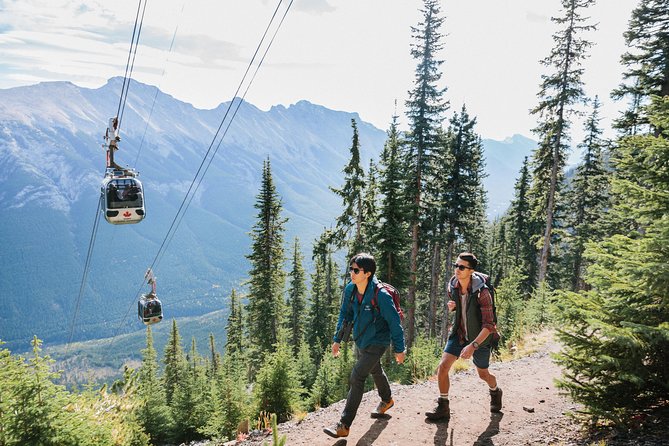
The hiking trail passes through extensive forest habitat between the lower gondola station and summit. Squirrels, forest birds, and occasionally larger wildlife may be encountered. Hikers should carry bear spray, know how to use it, and follow current Parks Canada wildlife advisories.
Best Seasons for Wildlife Viewing
Spring – April to June
Spring brings increasing wildlife activity as snow melts and vegetation begins growing. Bears emerge from winter dens, migratory birds return, and many animals move into productive lower-elevation habitats.
Summer – July to August
Summer provides excellent opportunities to observe birds, squirrels, chipmunks, and other active mountain wildlife. Longer daylight hours allow visitors more time to explore the gondola's outdoor viewing areas.
Autumn – September to October
Autumn is particularly interesting because of the elk rut in the Bow Valley. Bears increase their feeding activity before winter, while squirrels and other small mammals gather food.
Winter – November to March
Winter wildlife sightings are generally less frequent, but ravens, Canada jays, red squirrels, and bighorn sheep remain active. Snow-covered landscapes can reveal animal tracks and other signs of wildlife movement.
Wildlife Safety at the Banff Gondola
All wildlife in Banff National Park is protected. Visitors should never approach, feed, touch, or attempt to attract wild animals.
Parks Canada recommends maintaining at least 30 metres from elk, deer, and other large ungulates, and at least 100 metres from bears, wolves, cougars, and other large carnivores. Additional distance may be necessary depending on an animal's behaviour.
Visitors should remain on designated trails and boardwalks, secure food and belongings, and use binoculars or telephoto lenses for close-up wildlife photography.
Why Wildlife Makes the Banff Gondola Experience Special
The Banff Gondola offers more than spectacular views of the Canadian Rockies. It provides an opportunity to appreciate the mountain ecosystems that support wildlife across Sulphur Mountain and the surrounding Bow Valley.
From ravens soaring above the summit to squirrels moving through the forests below, the mountain supports a remarkable diversity of animal life. Its changing elevations, vegetation, and seasonal conditions create habitats for species with very different survival strategies.
Although the Banff Gondola is primarily a scenic sightseeing attraction rather than a dedicated wildlife-viewing destination, the possibility of encountering wild animals adds another dimension to the experience.
The opportunity to observe wildlife in its natural mountain environment is one of the many reasons Sulphur Mountain remains a memorable destination in Banff National Park.
Banff Gondola and top of the mountain building was well worth the trip.
Joseph Brown, November 2026
The Banff Gondola and top of the mountain building was well worth the trip. Loved the special rate for Alberta residents (look for it on the website and make sure you book your time carefully to arrive at the right time). We parked for free at the Banff Train Station parking area and boarded the free tour coach to the Banff Gondola entrance.
The staff were all very friendly and helpful for the ride up, off, down and off. You could opt for the hike up or down instead but that will be for another day.
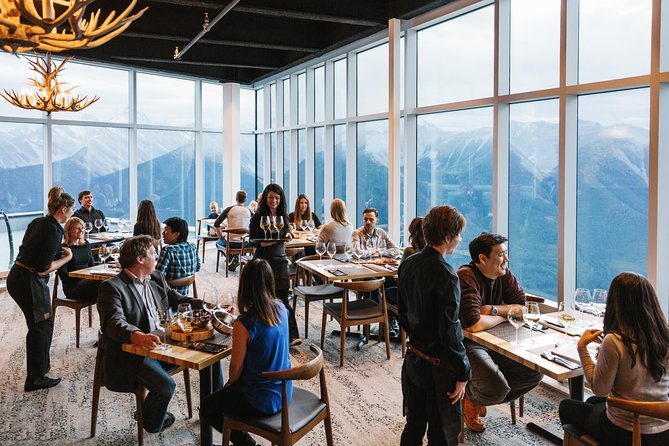
Lunch at Sky Bistro was also a great experience.
The Banff Gondola is one of Alberta's must-visit attractions and offers an unforgettable experience for visitors of all ages.
PB O2 Talks, November 2026
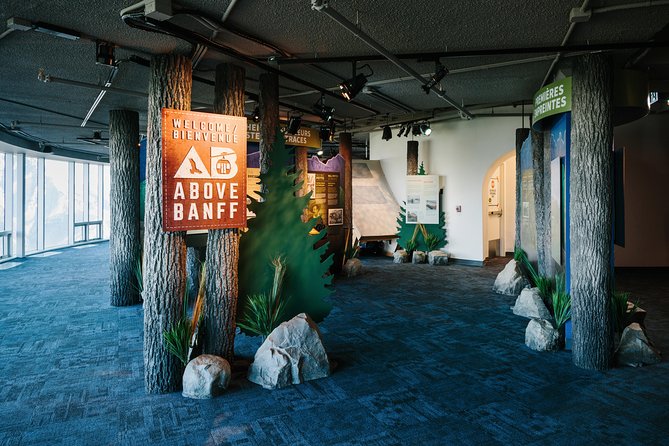
The Banff Gondola is one of Alberta's must-visit attractions and offers an unforgettable experience for visitors of all ages. The ride to the summit provides breathtaking panoramic views of Banff, the surrounding mountains, and the Bow Valley. The facilities at the top are modern, clean, and well designed, with scenic boardwalks, informative exhibits, and excellent viewing platforms.
The staff are friendly and well organized, making the entire experience smooth from start to finish. It's worth taking your time at the summit to explore, enjoy the views, and learn about the area's history and wildlife.
The Banff Gondola was truly one of the most unforgettable experiences of our trip to Alberta.
Nalin Edirisinghe, November 2026
The Banff Gondola was truly one of the most unforgettable experiences of our trip to Alberta. From the moment we boarded the gondola, the journey was filled with breathtaking views of the Canadian Rockies, lush forests, and the beautiful town of Banff below. As the gondola climbed higher up Sulphur Mountain, the scenery became even more spectacular. Every moment of the ride felt magical, and it was impossible to stop taking photos of the incredible landscape.
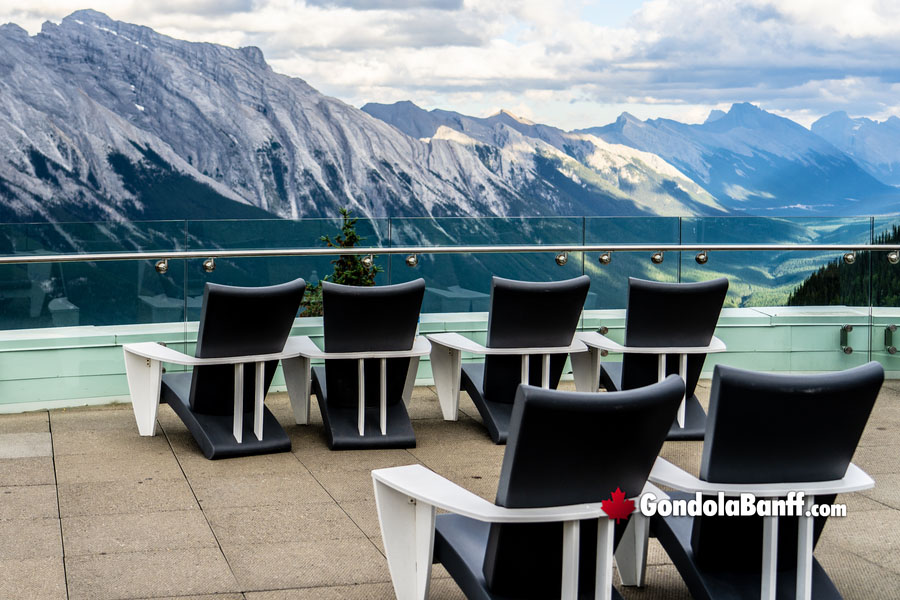
Once we reached the summit, we were amazed by the panoramic views in every direction. The observation decks and the boardwalk leading to the historic Cosmic Ray Station were well maintained and offered countless opportunities to enjoy the surrounding mountains. The fresh mountain air and peaceful atmosphere made the visit even more special. The facilities were clean, the staff were friendly and helpful, and everything was very well organized.
The gondola was a great experience with lots of nature.
hagos shmangus, November 2026
The gondola was a great experience with lots of nature I really liked the moutines becuase of the view and really this was a good place to go anf have fun place to go to an advenuture to see all the animals and I really like this experiance and I give it at 5 stars with all the kind workers.
Mohammad yas, November 2026
A must-visit in Banff! The views are absolutely breathtaking. The gondola takes you to the top, where you can explore four levels with incredible viewpoints, walking areas, and a great restaurant. We went around 5:30 PM, and there was plenty of parking available. If you're visiting in the morning, parking may be limited, but Banff's shuttle buses make it easy to get there and back. Highly recommended!
 Banff Gondola

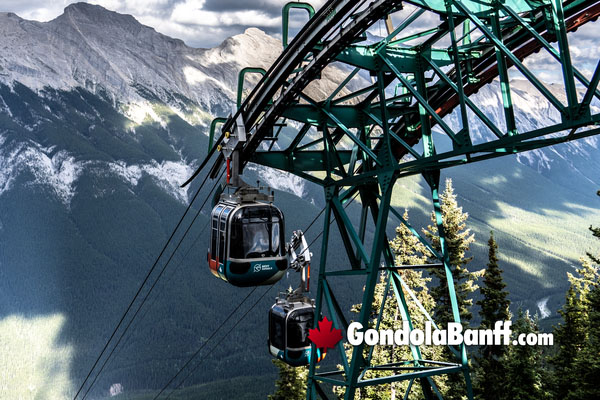

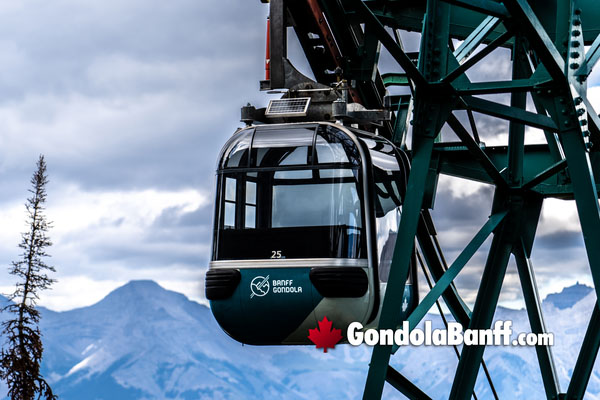
 Banff Gondola and top of the mountain building was well worth the trip.